Flour Mill Machine: Types, Work, Use, Benefits & Maintenance Tips
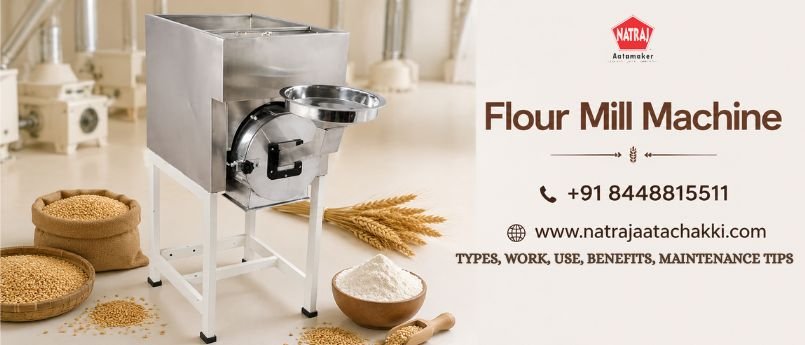
A Flour Mill Machine is capable of grinding grains such as wheat to produce fresh and hygienic flour. Discover the various kinds of atta chakki machine, how it operates, applications, advantages, and how to maintain it. Select the best flour mill machine for you.
A flour mill machine is a useful appliance for grinding wheat and other suitable grains into fresh flour. From household kitchens to commercial flour mills, these machines make grain grinding faster, easier, and more convenient. With increasing interest in freshly prepared flour, choosing the right flour mill machine has become important for both home users and businesses.
Whether you are looking for a flour mill for daily household use or planning to start a flour-grinding business, understanding machine types, capacity, features, pricing, and maintenance can help you make a better decision.
What Is a Flour Mill Machine?
A grain mill grinder is designed to grind grains such as wheat into flour. Depending on the model, it can also be suitable for grinding grains such as rice, maize, millet, jowar, bajra, and other compatible grains.
Modern wheat grinder are designed for convenient operation and consistent grinding. Domestic models are generally compact and suitable for household requirements, while commercial models are built for higher-volume grinding and continuous usage. A good machine should offer suitable grinding performance, easy operation, safety features, and convenient maintenance according to the user's requirements.
How Does a Flour Mill Machine Work?
The working process of a flour mill grinder is relatively simple. Clean grains are placed into the hopper, after which the machine's grinding mechanism processes the grains into flour.
The general process is:
Grain → Hopper → Grinding Mechanism → Flour Collection
The grinding system, motor power, capacity, and design may differ from one machine to another. Therefore, it is important to select a machine according to the type and quantity of grains you plan to grind.
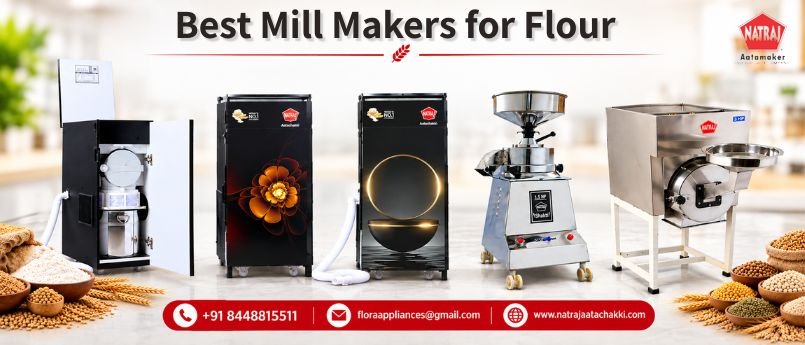
Types of Flour Mill Machines
Different types of flour mill machines are available for different applications. The most suitable option depends on your required capacity, usage, budget, and level of automation.
1. Domestic Flour Mill Machine
A domestic flour mill machine is designed for households that want to grind flour at home. These machines are generally compact, easy to operate, and suitable for regular household requirements.
They can be a practical choice for families that prefer to grind wheat and other compatible grains according to their daily requirements.
2. Commercial Flour Mill Machine
A commercial flour mill machine is designed for shops, businesses, flour mills, restaurants, and other applications requiring higher grinding capacity.
Commercial machines are generally selected based on production requirements, motor power, operating hours, durability, and maintenance needs.
3. Automatic Flour Mill Machine
An automatic flour mill machine provides greater convenience by reducing manual intervention during operation. Depending on the model, automatic features may include automated grinding and other operating functions.
These machines can be suitable for users looking for convenience and efficient operation.
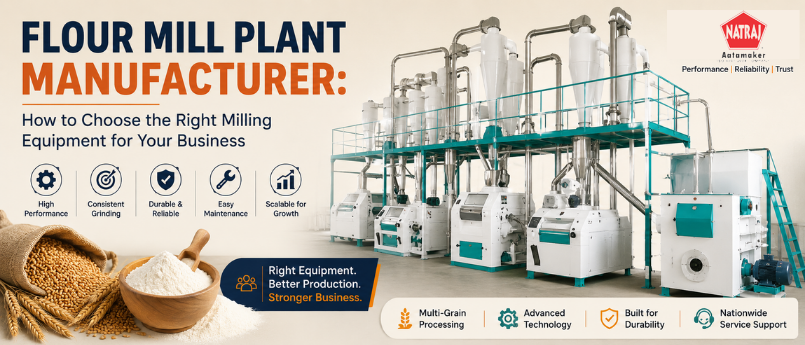
4. Industrial Flour Mill Machine
Industrial flour mill machines are intended for large-scale flour production. They are designed for higher capacities and demanding production environments and may include advanced grinding and processing systems.
Benefits of Using a Flour Mill Machine
A flour grinder can provide several practical benefits for homes and businesses.
- ✔️Freshly Ground Flour
- ✔️Convenient Operation
- ✔️Time Saving
- ✔️Multiple Grain Options
- ✔️Suitable for Different Applications
- ✔️Better Control
What Can You Grind in a Flour Mill Machine?
The grains supported by a machine depend on its design and manufacturer specifications. Depending on the model, a atta chakki may be suitable for:
- Wheat
- Rice
- Maize
- Jowar
- Bajra
- Ragi
- Millet
- Oats
- Other compatible grains
Always check the manufacturer's specifications before grinding a particular grain or material. Using unsuitable ingredients can affect machine performance.
How to Choose the Best Flour Mill Machine?
Choosing the best wheat grinder machine depends on your actual requirements rather than simply selecting the most expensive model.
- ✔️Consider Grinding Capacity
- ✔️Check Motor Power
- ✔️Consider Machine Size
- ✔️Check Safety Features
- ✔️Check Maintenance Requirements
- ✔️Compare Warranty and Service
Warranty and after-sales support are important considerations, especially when purchasing a machine for regular or commercial operation.
Flour Mill Machine for Home Use
A flour mill machine for home should ideally be easy to operate, convenient to clean, compact enough for the available space, and suitable for the family's daily flour requirements.
Before purchasing, consider the number of family members, expected grinding frequency, types of grains, available space, and electricity requirements.
A domestic flour mill is generally a better choice when the machine will primarily be used for household flour preparation rather than continuous commercial production.
Commercial Flour Mill Machine for Business
Businesses need to evaluate a manual grain mill differently. Production capacity, durability, operating requirements, electricity consumption, maintenance, and service support become more important.
A commercial flour machine may be useful for flour mills, grocery businesses, food-processing operations, restaurants, bakeries, and other businesses that require regular grain grinding. The machine should be selected according to the expected workload instead of buying based solely on its advertised capacity.
Flour Mill Machine Maintenance Tips
Proper maintenance can help keep a atta chakki machine working efficiently.
Follow these basic practices:
- ✔️Clean the machine regularly according to the manufacturer's instructions.
- ✔️Remove leftover flour and grain particles after use.
- ✔️Avoid overloading the machine.
- ✔️Check components periodically for wear or damage.
- ✔️Keep electrical components protected from moisture.
- ✔️Follow the recommended operating procedure.
- ✔️Arrange servicing when required.
Regular cleaning and proper operation can also help maintain consistent grinding performance.
Why Choose Natraj Aata Chakki?
Natraj Aata Chakki offers flour-grinding solutions designed for different household and commercial requirements. When selecting a machine, buyers should compare models according to capacity, motor specifications, features, intended application, warranty, and after-sales support.
The right flour machine should not simply fit your budget; it should also match your daily grinding requirements and expected usage.
Conclusion
A flour mill machine can be a valuable solution for producing fresh flour at home or supporting commercial grain-grinding requirements. Domestic, commercial, automatic, and industrial models are available to suit different applications. For more info visit website.
FAQ’s
What is a flour mill machine?
A flour mill machine is equipment used to grind wheat and other compatible grains into flour for household or commercial applications.
Which flour mill machine is best for home use?
A domestic flour mill machine with suitable capacity, easy operation, safety features, and convenient maintenance can be a practical choice for home use.
What is the price of a flour mill machine?
The price depends on the machine type, capacity, motor power, automation, construction, features, and manufacturer.
Can a flour mill machine grind different grains?
Many machines can grind multiple compatible grains, but users should always check the manufacturer's specifications before grinding a particular grain.
Is a flour mill machine useful for business?
Yes. Commercial and industrial flour mill machines can be used for businesses that require regular or high-volume grain grinding.